
Brainwave Entrainment: Boosting Workplace Performance and Learning
By Phillip Tanzilo, CPTD, MHRM
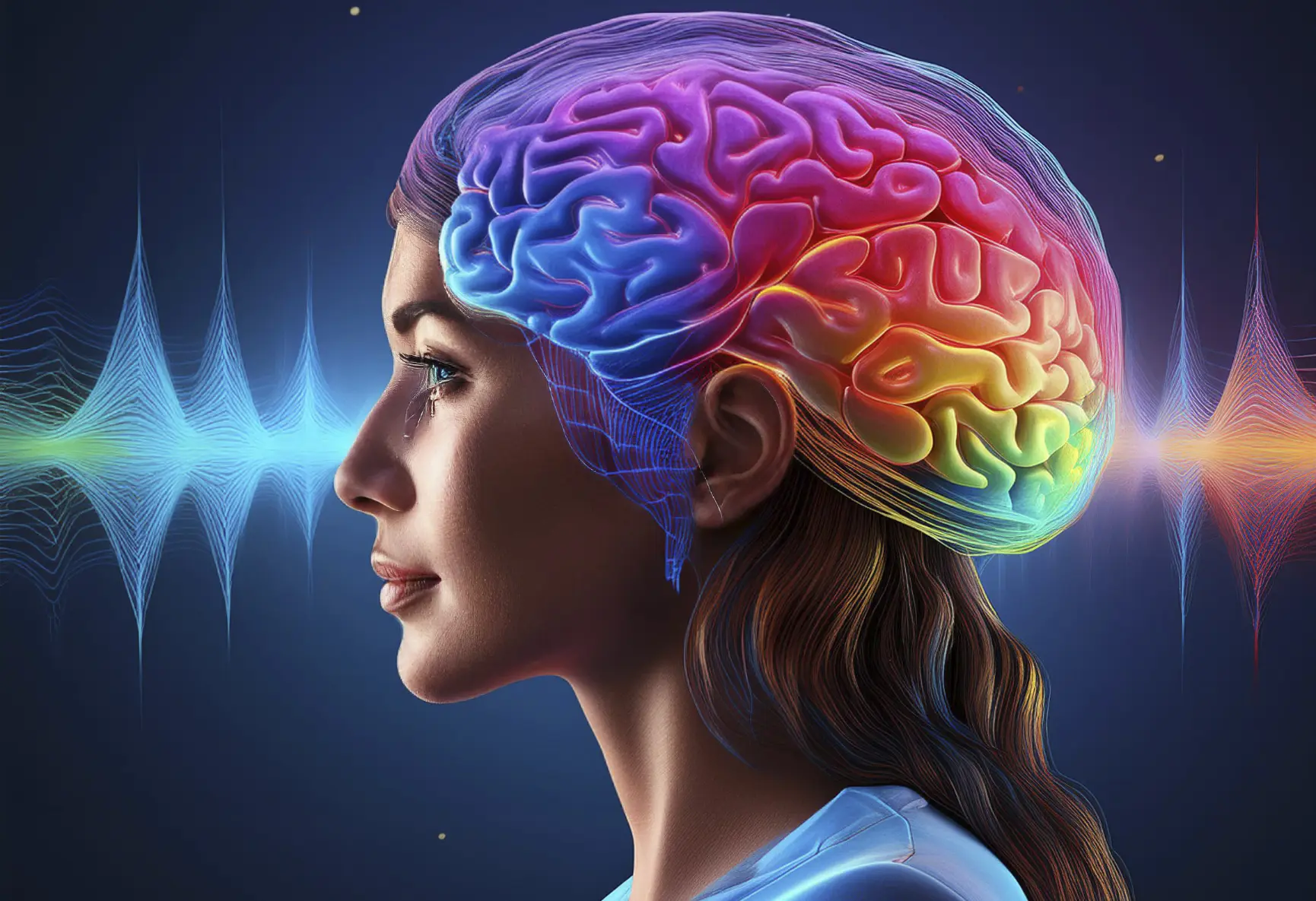
During my time working with John Assaraf, a renowned behavioral neuroscience researcher, I developed a deep fascination with the power of the human brain. This led me to explore organizations like the Centerpointe Research Institute, where I discovered the incredible potential of brainwave entrainment. Through my research, I found that this technique can significantly boost creativity, learning, memory, resilience, and focus while reducing stress, impulsiveness, and mental fog.
I’ve always been amazed by entrainment – it’s this incredible process where things start to sync up when they’re near each other. Back in 1665, a Dutch scientist named Christiaan Huygens noticed this happening with pendulum clocks.… Read More “Brainwave Entrainment: Boosting Workplace Performance and Learning”

 candidates with
 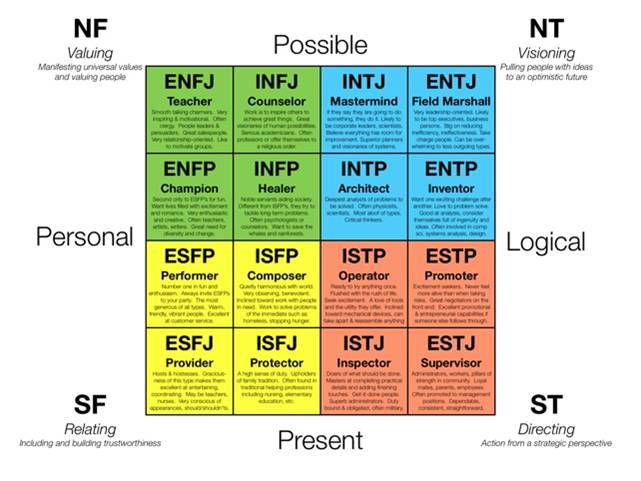 Personally, I find human behavior fascinating and his question meant he was really giving this some careful consideration, and many others may have a similar question. I have found Wikipedia to be a good reference as an overview. …
 The key to sustaining innovation is being able to think out of the box—keeping fresh ideas coming. Taking leadership to the next level and providing programs that “go deep” means literally digging deeper. Over time, we develop tunnel vision. I know I have. So, I have to consciously keep myself out of that rut. Otherwise, the potential for blind spots increases—I continue to discover that I have more than my fair share. I can at times simply hit a brick wall. My team can also hit a brick wall. And, ultimately innovation is halted.