
By Phillip Tanzilo, CPTD, MHRM
Why leadership, trust, and human behavior remain the foundation of workforce transformation.
Introduction: Technology Is Accelerating Change, and People Still Drive Performance
Organizations may invest in technology, but employees ultimately determine whether transformation succeeds or fails.
At times, it seems every conference, article, and executive discussion is focused on AI, automation, and the future of work right now. It is the bees’ knees today.
These conversations definitely matter. Technology is exponentially reshaping operational systems, customer expectations, and workforce capability requirements. Yet one reality continues standing out across every industry I work with, and I stand by this: human-centered leadership has never mattered more.
Organizations often assume technology alone creates transformation. Not true. Technology accelerates systems, while people determine whether those systems succeed or fail.
Human-Centered Leadership Strengthens Transformation Success: Employees Follow Leaders Through Change
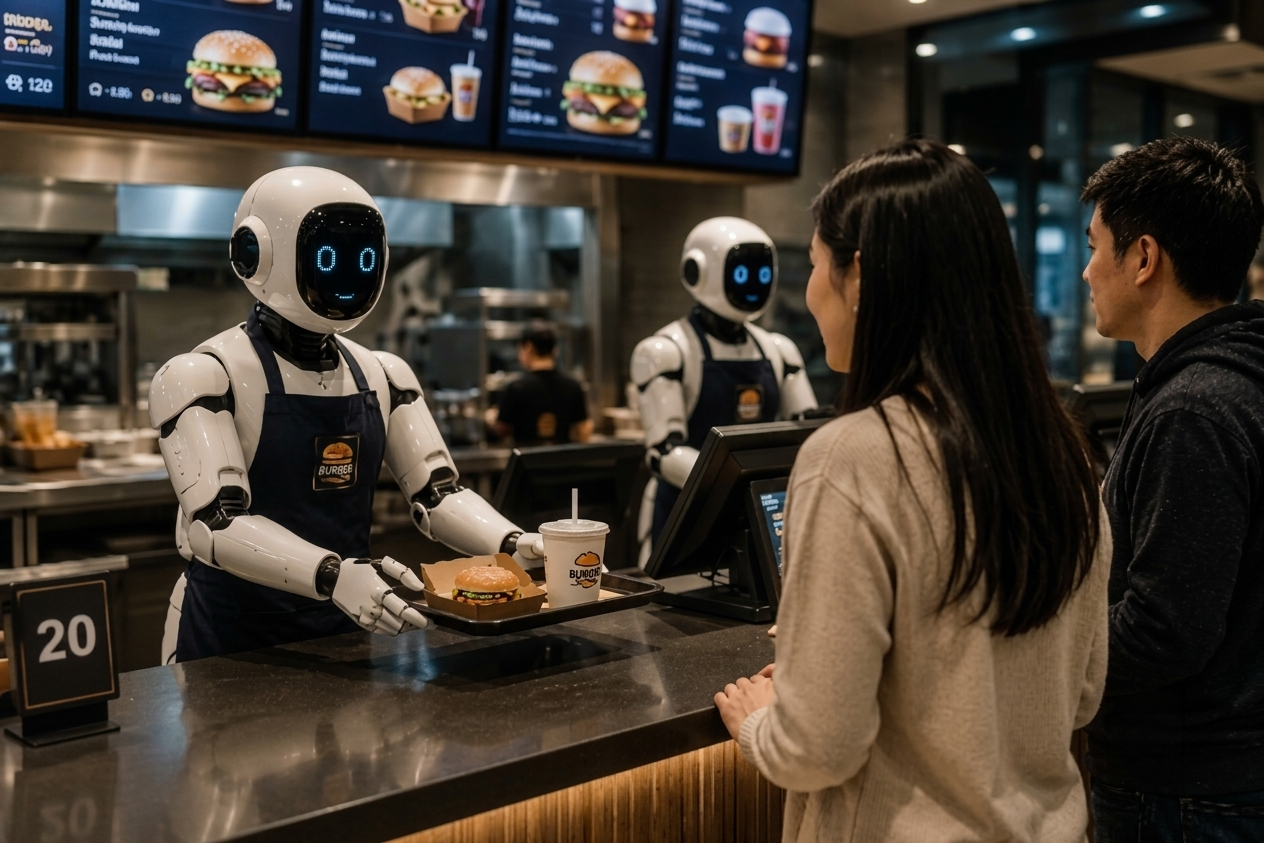
Successful transformation requires leaders who create trust, clarity, and confidence during uncertainty.
During organizational transformation efforts, employees still need trust, communication, coaching, clarity, and psychological safety. Leadership behaviors continue shaping cultural transformation because employees watch leaders far more closely than they listen to corporate messaging. Consistency, trust, and accountability become contagious when leaders model them daily.
I have worked with organizations implementing major operational and workforce transformation initiatives where leaders focused heavily on systems and process improvements but underestimated the emotional side of execution.
Employees became overwhelmed. Communication became fragmented. And, collaboration weakened under pressure.
The technical rollout succeeded on paper, but employee engagement suffered because leaders failed to manage the human experience alongside the operational change.
AI Increases the Importance of Communication and Trust: Technology Changes Faster Than Human Nature
The faster organizations change, the more employees need communication, connection, and psychological safety.
Emotional intelligence still impacts team effectiveness. Communication, conflict resolution, collaboration, and psychological safety all influence whether teams operate defensively or perform at a high level together.
Customer experience still depends heavily on how people feel during interactions, especially during uncertainty and change. Customers may forget the exact process or policy, but they rarely forget whether someone made them feel heard, valued, respected, and confident during the experience.
Technology will continue evolving, that is a certain as I see it. Trust then becomes increasingly important because employees are constantly evaluating how changes affect their work, their value, and their future.
Organizations that communicate clearly and consistently create confidence. Organizations that fail to communicate create speculation, resistance, and uncertainty.
Workforce Transformation Requires Both Systems and Psychology: The Brain Drives Adaptation

People adapt faster when leaders address both operational change and human behavior.
Our brains often interpret uncertainty, inconsistency, and lack of control as potential threats, activating stress responses that reduce focus, collaboration, creativity, and decision-making. When employees feel disconnected, ignored, or overwhelmed, the brain naturally shifts toward self-protection instead of innovation and collaboration.
Trust, recognition, clarity, and communication help calm that response and reopen higher-level thinking.
I have seen this firsthand while working with organizations across virtually every industry and customer experience transformation initiative. Leaders who understand human behavior create environments where people adapt faster, solve problems better, and remain more engaged during periods of rapid change.
Building Systems That Support Human-Centered Transformation: Technology and Leadership Must Work Together
Long-term success occurs when operational excellence and human-centered leadership reinforce one another.
The WIIFM (What’s in it for Me) for organizations is powerful. Human-centered leadership improves retention, accelerates adaptation, strengthens collaboration, and protects customer experience during transformation.
Employees become more resilient and connected. Leaders reduce resistance and frustration. Customers experience greater consistency and empathy even while organizations evolve operationally.
The companies winning the future will not simply be the most technologically advanced. They will be the most adaptable and human-aware.
Final Thoughts: Technology May Change Work, But People Still Shape Performance
The future belongs to organizations that balance technological advancement with human-centered leadership.
Workforce development today requires more than technical capability. It requires leaders who can align strategy execution, communication, culture, and customer experience while helping employees navigate rapid change without losing engagement or trust.
Technology may reshape business models. People still shape performance.
Key Takeaways:
• Human-centered leadership strengthens transformation success
• AI increases the importance of communication and trust
• Workforce transformation requires both systems and psychology
#HumanCenteredLeadership #AIandLeadership #WorkforceTransformation #LeadershipDevelopment #OrganizationalTransformation #ExecutiveCoaching #EmployeeExperience #CustomerExperience #OperationalExcellence #ChangeManagement #CultureTransformation #BehavioralScience #TeamEffectiveness #LeadershipConsulting #PerformanceImprovement